
Exploring the Future of AI Vending Machines and Their Impact on Convenience
Vending machines have long been a staple of quick, on-the-go purchasing. Yet, the traditional vending experience is evolving rapidly thanks to advances in artificial intelligence (AI). The future of AI vending machines promises to transform convenience by making transactions smarter, faster, and more personalized. This article explores how AI is reshaping vending technology, the benefits it offers consumers and businesses, and what we can expect in the years ahead.

How AI Enhances Vending Machines Today
AI integration allows vending machines to go beyond simple product dispensing. Here are some ways AI is already improving vending experiences:
Personalized Recommendations
AI algorithms analyze purchase history and preferences to suggest products tailored to individual users. For example, a machine in a gym might recommend protein bars or energy drinks based on previous purchases.
Cashless and Contactless Payments
AI systems support multiple payment methods including mobile wallets, facial recognition, and QR codes, speeding up transactions and reducing physical contact.
Inventory Management
Sensors and AI track stock levels in real time, alerting operators when restocking is needed. This reduces downtime and ensures popular items are always available.
Dynamic Pricing
Some AI vending machines adjust prices based on demand, time of day, or expiration dates, offering discounts to reduce waste and increase sales.
These features already make vending machines more convenient and efficient, but the future holds even greater potential.
The Role of AI in Improving User Experience
AI can create a more engaging and seamless vending experience by:
Voice Interaction
Voice recognition allows users to speak their orders, making the process faster and accessible for people with disabilities or those carrying items.
Visual Recognition
Cameras combined with AI can identify customers and offer personalized greetings or promotions. They can also detect age to restrict sales of age-sensitive products like alcohol or tobacco.
Nutritional Guidance
AI can provide detailed product information, including nutritional facts and allergen warnings, helping health-conscious consumers make informed choices.
Multilingual Support
AI-powered interfaces can switch languages automatically based on user preferences or location, making vending machines more user-friendly in diverse communities.
Examples of AI Vending Innovations Around the World
Several companies and cities are already testing AI vending machines with impressive results:
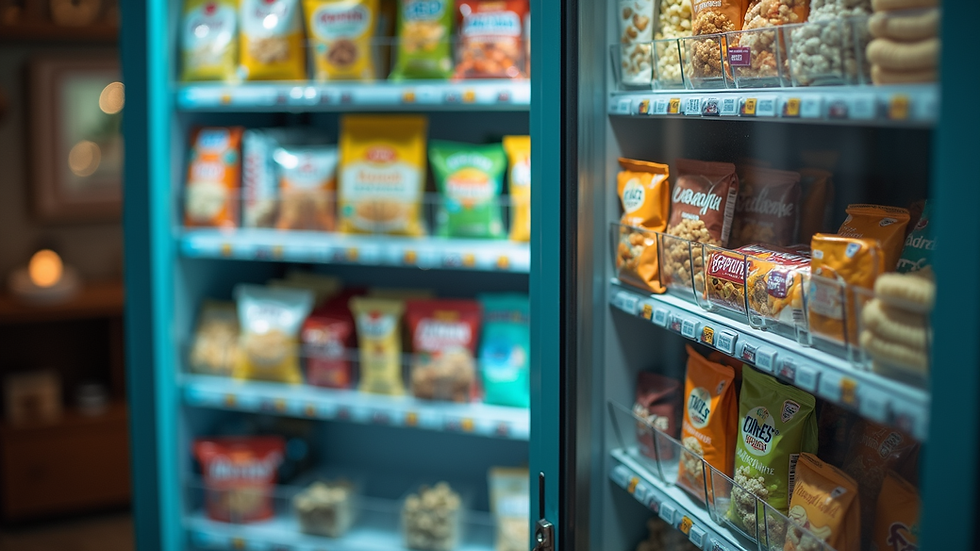
Smart Fridges in Airports
Airports in Asia have installed AI-powered smart fridges that track customer selections and suggest complementary snacks or drinks, improving sales and customer satisfaction.
AI Coffee Machines
Some coffee vending machines use AI to learn individual taste preferences, adjusting brew strength and milk levels automatically for repeat customers.
Fresh Food Vending
AI-enabled machines in urban areas offer fresh salads and sandwiches, using sensors to monitor freshness and adjust inventory dynamically.
Retail Vending Robots
In some malls, vending robots equipped with AI navigate crowds and interact with customers, providing a novel and convenient shopping experience.
These examples show how AI vending machines can adapt to different environments and customer needs.
Benefits for Businesses and Consumers
AI vending machines offer clear advantages:
For Businesses
Reduced Operational Costs
Automated inventory tracking and cashless payments lower labor and maintenance expenses.
Increased Sales
Personalized recommendations and dynamic pricing encourage more purchases.
Better Data Insights
AI collects valuable data on customer behavior, helping businesses optimize product offerings and locations.
For Consumers
Faster Service
AI speeds up transactions and reduces waiting times.
More Choices
Machines can offer a wider variety of products tailored to local tastes.
Improved Accessibility
Voice commands and multilingual support make vending machines usable by more people.
Challenges and Considerations
Despite the promise, AI vending machines face some hurdles:
Privacy Concerns
Collecting user data requires strong safeguards to protect personal information.
Technical Reliability
Machines must operate smoothly to avoid frustrating users.
Cost of Implementation
Advanced AI systems can be expensive to install and maintain, which may limit adoption in some areas.
Ethical Use
Transparency about how AI makes recommendations and handles data is essential to build trust.
Addressing these challenges will be key to widespread acceptance.
What the Future Holds
Looking ahead, AI vending machines will likely become more integrated into daily life:
Integration with Smart Cities
Vending machines could connect with other smart infrastructure to offer location-based services and promotions.
Expanded Product Range
From pharmaceuticals to electronics, AI machines may dispense a broader array of goods safely and efficiently.
Sustainability Focus
AI could help reduce waste by optimizing stock and encouraging eco-friendly product choices.
Enhanced Social Interaction
Machines might use AI to create more engaging experiences, such as games or social sharing features.
The future of AI vending is not just about convenience but also about creating smarter, more responsive environments.


Comments